Welcome to Kerala
Where art meets tradition
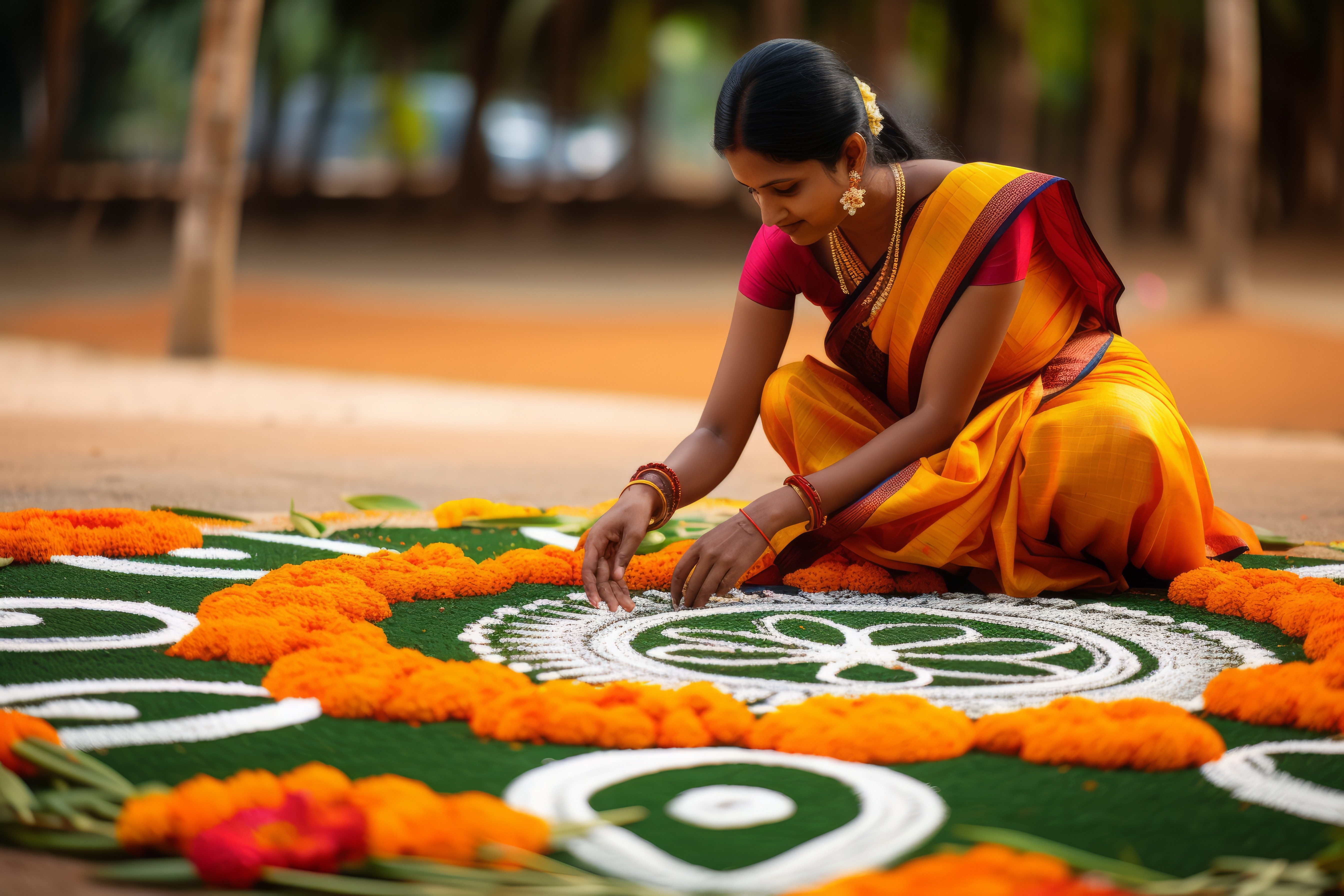
Kerala, one of the smallest states in the Republic of India, and a land of great natural beauty. The modern Kerala was formed in 1956 when India was reformed into states on linguistic basis.
Kerala is a small state situated at the southwest corner of India. The land which Parasurama(sixth of the ten incarnations of Lord Vishnu) retrieved with his axe. The land blessed by nature. The land of festivals. The land of coconut trees. And the land of complete literacy.
The legislative assembly in Kerala has 141 seats. There are 14 Districts, 63 Taluks, 991 Panchayats, 54 Municipalities and 3 Corporations in Kerala.
The State has 991 Grama Panchayats, 152 Block Panchayats, 14 District Panchayats, 52 Municipalities and 5 Corporations.
Kerala is the land of natural beauty. Thats why we call it the 'God's own country!'. Kerala has got 44 rivers, many lakes, hills and mountains to add to it's natural beauty.
The climate is equable and varies little from season to season. The temperature normally ranges from 80 to 90 F in the plains but drops to about 70 F in the highlands. The state gets its due share of both the southwest as well as the northeast monsoons, and the rainfull is heavy, averaging around 118 inches annually.
Kerala, one of the smallest states in the Republic of India, and a land of great natural beauty. The modern Kerala was formed in 1956 when India was reformed into states on linguistic basis.
Kerala is a small state situated at the southwest corner of India. The land which Parasurama(sixth of the ten incarnations of Lord Vishnu) retrieved with his axe. The land blessed by nature. The land of festivals. The land of coconut trees. And the land of complete literacy.
The legislative assembly in Kerala has 141 seats. There are 14 Districts, 63 Taluks, 991 Panchayats, 54 Municipalities and 3 Corporations in Kerala.
The State has 991 Grama Panchayats, 152 Block Panchayats, 14 District Panchayats, 52 Municipalities and 5 Corporations.
Kerala is the land of natural beauty. Thats why we call it the 'God's own country!'. Kerala has got 44 rivers, many lakes, hills and mountains to add to it's natural beauty.
The climate is equable and varies little from season to season. The temperature normally ranges from 80 to 90 F in the plains but drops to about 70 F in the highlands. The state gets its due share of both the southwest as well as the northeast monsoons, and the rainfull is heavy, averaging around 118 inches annually.
General Information
Capital : Thiruvanathapuram
Area : 38,863 sq km.
Population : 3.1 crore
Districts : 14
Literacy : 91%
Languages : Malayalam
Airports : Kozhikode, Ernakulam, Trivandrum
more...
Main Cities
Thiruvanathapuram, Kollam, Alappuzha, Kochi, Ernakulam, Thrissur, Kozhikkodu
Main Industries
Cotton, Coir, Cashew, Rubber, Tea, Ceramics, Transformers, etc.
KERALA CULTURE
Festivals
Onam
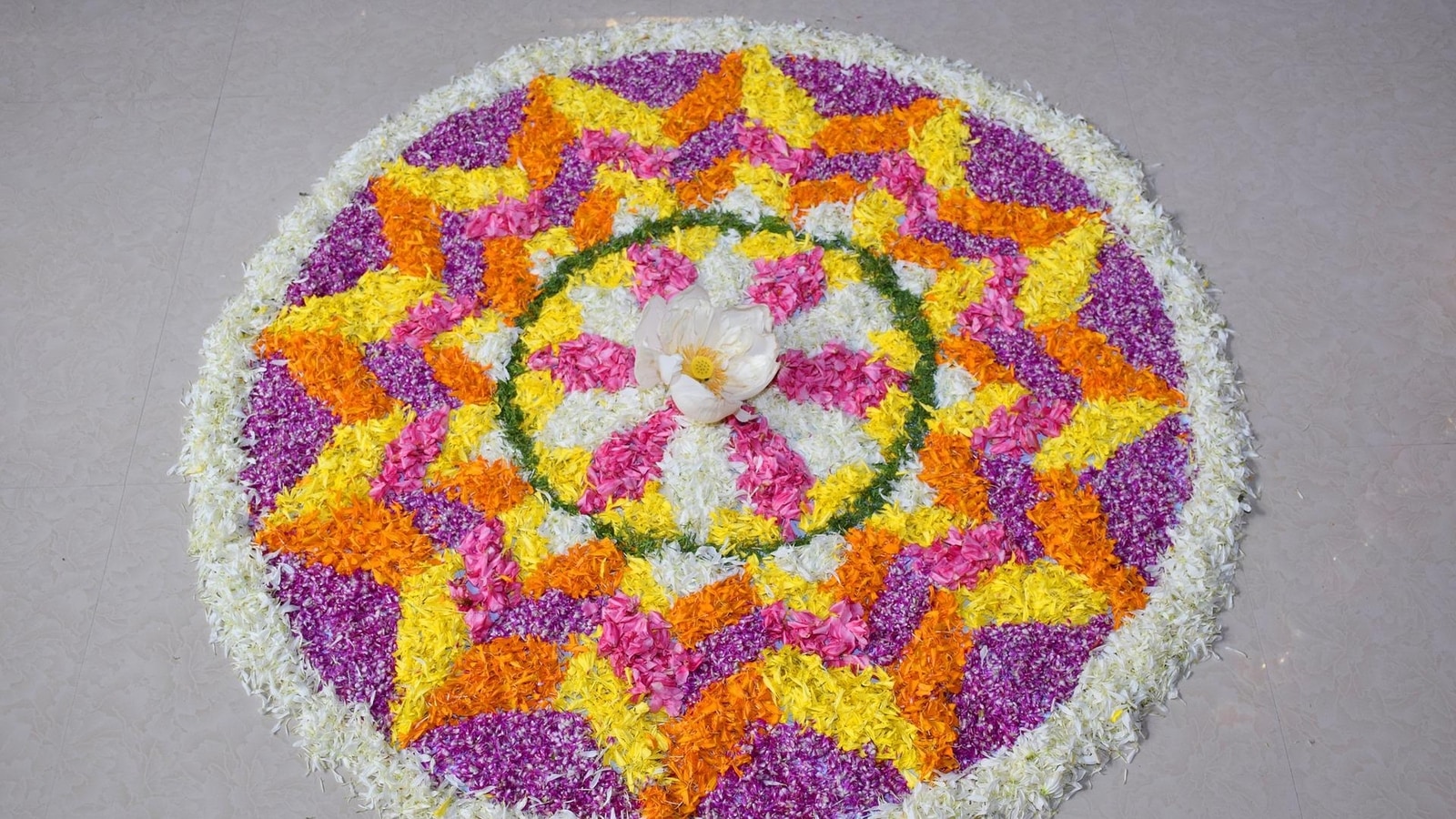
Onam is a festival peculiar to Kerala, celebrated by people of all religion and caste. There are many beautiful stories about this festival. The most commonly believed among the Onam related legends is that of King Mahabali. According to legend, the state's most colourful festival, Onam celebrates the golden age of King Mahabali, the mythical ruler of Kerala. The festival is to welcome the spirit of King Mahabali, and to assure him that his people are happy and wish him well. The myth goes like this :
It is believed that the people of the region were extremely happy and content during his rule. So much so, that the gods got envious of him and asked Lord Vishnu to take away his kingdom. Lord Vishnu disguised as a Brahmin dwarf Vamana, asked the King for three steps of land, which he readily granted. Vishnu then shed his disguise and covered the earth and heaven in two steps. For the third, King Mahabali offered his head. However, before putting his foot on Mahabali’s head, Lord Vishnu granted the King’s last wish, that he be able to visit his kingdom once every year. It is to welcome Mahabali back to his kingdom that Onam is celebrated with such joy.
Shivarathri
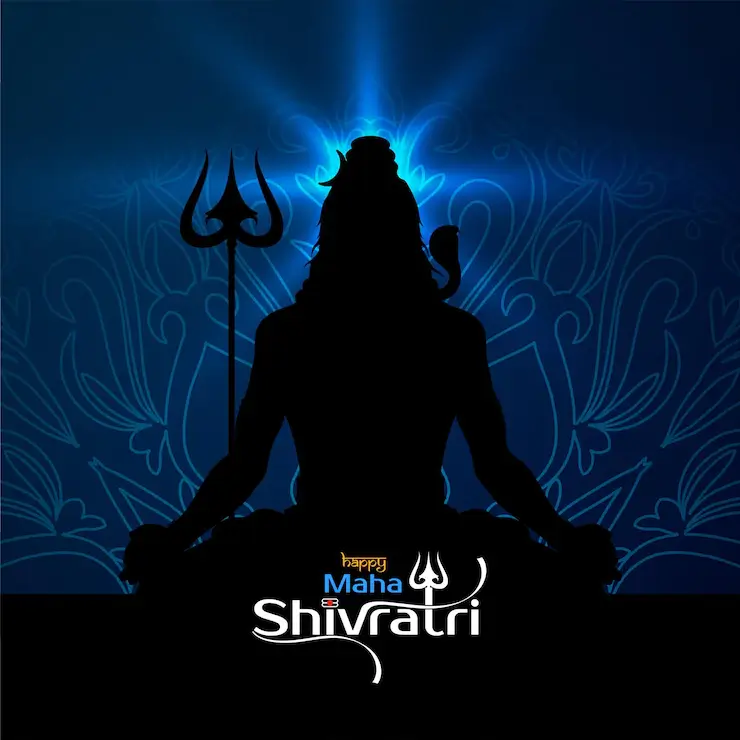
It is the great night of Siva which commemorates the night, when Lord Siva consumed the deadly poison Kalakudam to save the world from destruction. Sivarathri is an auspicious night observed on the fourteenth night of dark half of the moon.
Maha Sivarathri : Maha = great; rathri = night. Sivarathri means night of Siva and Maha Sivarathri means the great night of Siva. Just like there are 24 or 25 Ekadasis, which occur each year, 24 or 25 Sivarathris occur each year. And just like only one of these Ekadasis is the very special Vaikunta Ekadasi, only one of the Sivarathris is known as Maha Sivarathri.
It is celebrated in the Malayalam month of Kumbam (February-March). The Annual Sivarathri Festival held on the banks of Periyar at Aluva, is one of the most popular and spectacular local festivals of Kerala, which attracts thousands of people from all over the country.
Vishu

Falls on the first day of Malayalam month Medam (April), which is the astronomical New Year Day when the sun crosses the equator.
Through Vishu is identified with the Hindus religious beliefs, it is not in any way a religious festival. As per popular belief, the first thing people see on Vishu, the 'Vishukkani', is decisive to the year's prosperity.
Thus the 'Vishukkani' has over the years become a ritual arrangement of auspicious articles like raw rice, fresh linen, golden cucumber, betel leaves, arecanut, metal mirror, the yellow flowers 'konna' (cassia fistula), and a holy text and coins, in a bell metal vessel called 'uruli'. A lighted bell metal lamp called nilavilakku is also placed alongside.
As Vishu ushers in a New Year dawn, people wake up to behold the ritualistic arrangement. Giving off handsel (kaineettam) to the younger members of the family is part of the celebrations.
ARTS
Kathakali

Kathakali ("story play") is the classical dance drama of Kerala, which dates from the 17th century and is rooted in Hindu mythology. Kathakali has a unique combination of literature, music, painting, acting and dance.
Kathakali draws heavily from drama and is danced with elaborate masks and costumes. Kathakali recitals are generally long and while other dance forms are more emotive than narrative, Kathakali is both. It combines dance with dialogue to bring myth and legend to life in the temple courtyards of Kerala. The dancers use their stunning costumes and make-up, with the accompaniment of drums and vocalists, to create various moods and emotions.
Kathakali is the classical dance-drama of Kerala, South India, which dates from the 17th century. Kathakali has a harmonious combination of literature (Sahithyam), music (Sangeetham), painting (Chithram), acting (Natyam) and dance (Nritham). All the five forms of art have a very important place in this combination. Its literature is narrative , poetic and dramatic. Costumes are of vivid colours, facial makeup is done by the artist himself and a distinct headgear made of wood is worn during the play. The Aharya (Make-up) has many faces like Pacha, Kathi, Thadi, Minukku etc.
These colours and names denote nature of the characters. The make-up is complicated, requiring several hours to apply. During the drama the dancers do not speak, but the hand movements known as 'Mudras' and unique facial expressions all imbibe to a sign language. All the drama and dance are accompanied by powerful vocal music. Drummers provide a rhythmic background to the drama. Kathakali performances usually begin with a musical note called Thiranottam. The dance extravaganza last all through night to dawn.
There are 24 Basic Mudras (hand gestures) in the "Hasthalakshana Deepika", the book of hand gestures, which Kathakali follows. There are 'Asamyutha Mudras' (that is shown using single hand) and 'Samyutha Mudras' (mudras shown in double hands) in each Basic Mudras, to show different symbols. Considering all these Mudras and their seperations there are totally 470 symbols used in Kathakali.
1. Pathaaka (Flag)
2. Mudraakhyam
3. Katakam (Golden Bangle)
4. Mushti (Fist)
5. Kartharee Mukham (Scissor's sharp point)
6. Sukathundam (Parrot's peek)
7. Kapidhakam (The fruit of a tree)
8. Hamsa Paksham (Swan'swing)
9. Sikharam (Peak)
10. Hamsaasyam (Swan's peek)
11.Anjaly (Folded hands in Salutation)
12.Ardhachandram (Half moon)
13. Mukuram (Mirror)
14. Bhramaram (Beetle)
15. Soochimukham (Needle's sharp point)
16. Pallavam (Sprout)
17. Thripathaaka (Flag with three colours)
18. Mrigaseersham (Deer's head)
19. Sarpasirassu (Serpant's head)
20. Vardhamanakam (Seedling)
21. Araalam (Curved)
22. Oornanabham (Spider)
23. Mukulam (Bud)
24. Katakaamukham
It was one of the Rajas (Chieftain) of Kottarakkara, who wrote the first play intended for Kathakali performance. They form a cycle of eight stories based on Ramayana. The performance for each story was designed to last for six to eight hours. The performed stories were then known as Ramanattom (play pertaining to Rama), which later came to be called as Kathakali. Stories based on other epics and puranas were added to its repertoire in later period. More information about Kathakali:
Major Kathakali Centres of Kerala
1. Kerala Kalamandalam, Cheruthuruthy, Thrissur District.
2. P.S.V. Natyasangham, Kottakkal, Calicut District.
3. Gandhi Seva Sadanam, Pathirippala, Palakkad District.
4. Unnayivarrier Smaraka Kalanilayam, Iringalakkuda, Thrissur District.
5. Cochin Cultural Centre, Cochin, Ernakulam District
6. Art Kerala, Valanjambalam, Ernakulam District.
8. R.L.V. Thripunithura, Ernakulam Dt.
Mohiniyattam
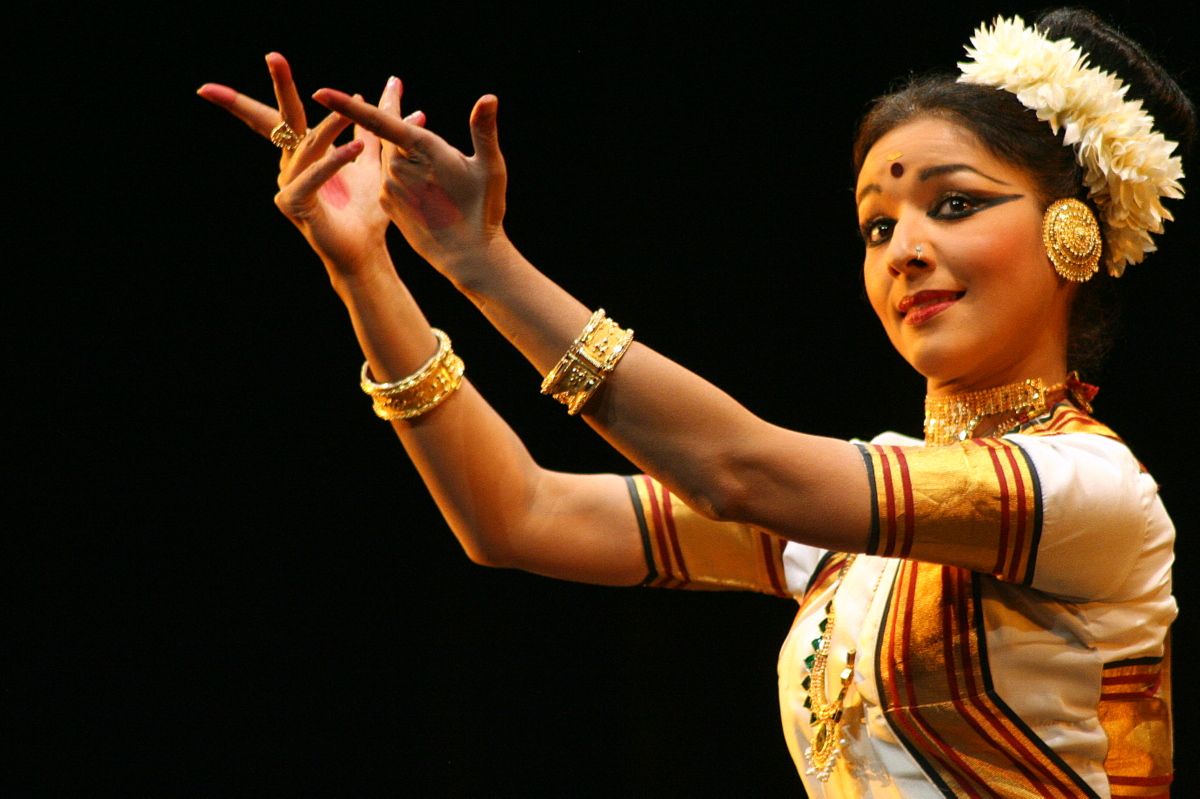
This classical dance form of Kerala was first performed by women in temples, over a thousand years ago, as an offering to God, their beloved. The movements may appear simple, but effort is required to capture the grace, suggestive of ocean waves, as seen in goddess Mohini, the Enchantress. This dance form exudes enchantment grace and passion. Mohiniyattam is a fusion of ' Bharathanatyam ' and ' Kathakali ', as it combines the graceful elegance of Bharatanatyam and dynamism and vigour of Kathakali. The performances are done only by women. In Mohiniyattam, the Lasya element of dancing is predominant, and the mood created is Sringaram (erotic) Mohiniyattam literally means the 'Dance of the Temptress'.
Mohiniyattam in Kerala took shape in the tradition of Devadasi dance and grew and developed a classical status. The word 'Mohini' literally means a maiden who excites desire or steals the heart of the on looker. It is a solo female dance (in a single costume ) in which the striking features is the musical melody and rhythmical swaying of the dancer from side to side and the smooth and unbroken flow of the body movement. The dance is focused essentially on feminine moods and emotions.
Bharathanatyam
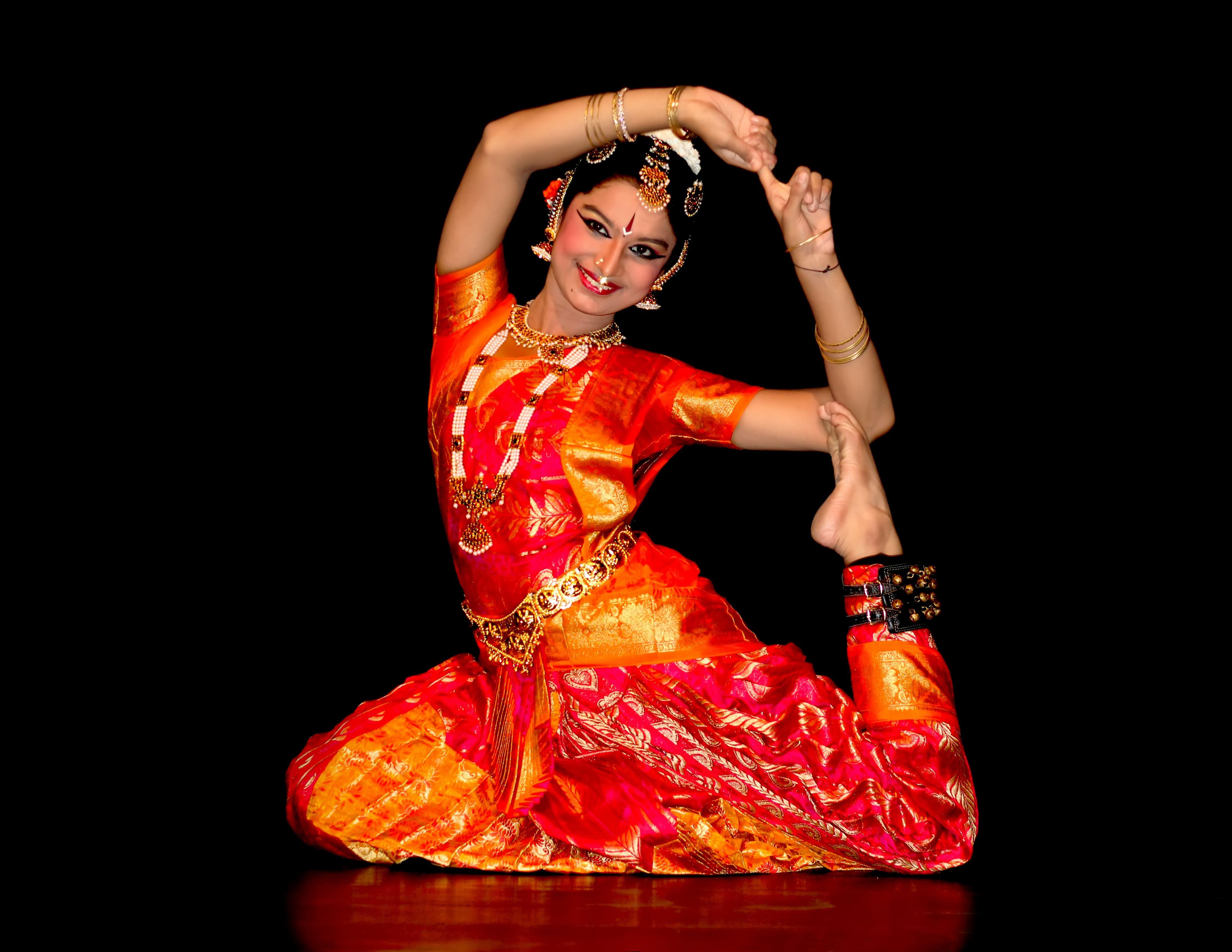
Bharatanatyam is a classical dance form believed to be originated in Thanjavoor of Tamil Nadu in South India. As it was performed by Devadasies in temples of Tamil Nadu long ago it is also known as Dasiyattam. Basic concepts of 'Bharatanatyam' are Bhava, Raga and Thaala.Bharatanatyam derives its origin based on the theories posted in the books 'Natyasaasthram' and 'Abhinaya Darpanam'. Bharatanatyam is evenly divided between three elements Nritta, Nritya and Natya .
Nritta : Rhythmic Element. Interprets the language of rhythm with the help of body movements.
Nritya : Combination of Rhythm with expression conveys poetic meaning with the help of expressions, rhythmic postures. eg. Varna, Shabda, Pada etc.
Natya : Dramatic Element. Performing for a theme like Ramayana, Mahabharata etc
Nritta can be broadly divided into Chari, Karana, Angahara and Mandala. Movement of a leg is called Chari. Movement of both the legs is Karana. 3 Karanas make a Khanda.3 to 4 Khandas make a Mandala. 4 to 9 Karanas make a Angahara. 4 to 5 Angaharas also make a Mandala. 108 Karanas and 32 Angaharas are defined in Natyashatra. The 13 Nritta Hastas (explained later) are used to perform nritta. The rythmic body movements along with hand gestures are called Aduvus. Number of aduvus constitute a Jati
Jati will generally end with a Muktaya or Teermana. There are varieties of Aduvus like Tattaduvu ,Mettaduvu, Nataduvu,Kattaduvu, Kudittamettaduvu , Maiaduvu, Mandiaduvu ,Jati ,Nadai ,Ardi .The entire body is divided as Anga, Pratyanga and Upaanga. Anga Lakshana, the way of moving body parts, are described as: Shirobhedha - Head Movement , Greevabhedha - Neck Movement, Drushtibhedha - Eye Movement , Paadabhedha Mandala - Standing Posture , Utplavana - Leaps, Bhramari - Circling Movement ,Chari - Leg Movement, Gatibhedha - Charecteristic walks and Hastas or Mudras - Hand Movements -Asamyuta Hasta ,Samyuta Hasta ,Deva Hasta ,Dashavatara Hasta , Navagraha Hasta ,Jaati Hasta,Bandhu Hasta , Nritta Hasta .When all Angas(main body parts) coordinate (along with pratyanga and upaanga) the artist is said to have Angashudhi. Anga meaning body parts and shudhi, meaning perfect. Any dancer should try to achieve this perfection. The Natyashastra, which talks about all aspects of Bharatanatyam, quotes shlokas to perform all the above movement.
Arangetram is a tamil word. Aranga meaning raised floor and Etram meaning climbing in Tamil, one of the south Indian languages. It is also called Rangapravesha in Kannada, another south Indian language, Ranga meaning Stage and Pravesha meaning Enter. Ideally this should be the first public performance of an artist. After learning Bharathanatyam under the guidance of an accomplished guru, this is the occasion for the proud guru to present his/her disciple to the public. This is the testing time for both the guru & the shishya (disciple) as the guru's knowledge & the disciple's talent both are judged by the public. Hence, the guru will decide when the disciple is ready for public appearance. At least 10 - 12 years of training is necessary to give a commendable performance. Usually duration of an Arangetram will be 2 1/2 - 3 hours. To perform for such long hours one must have good stamina and concentration. This time is divided into two halves. In the first half the artists generally perform Pushpanjali or Alaripu ,Jatiswara, Shabda, Varna In the second half Padam ,Ashtapadi or Devaranama, Tillana , Mangala .
Theyyam

Theyyam is a ritualistic dance with its rare and grotesque make-up and costume, lively foot work, gymnastic fervour and ritualistic vitality. Theyyam represents a glorious period of folk life in Kerala and the souls of the dead heroes of the land and the gods and goddesses are supposed to come in our midst through the medium of the possessed dancers and converse with us on matters of even contemporary significance. It is the worship of spirits by invoking them to the mortal body of the dancer who impersonates them and gives blessing to the believers. Theyyam evolves from Kaliyattam practiced by aboriginal tribes of northern regions of the state. Kaliyattam is an annual festival attached to the shrines known by the names like muchilod, kavu, palliyara, mundya, tanam, madhapura all in the districts of kannur.
Related Blog









69d8c098183eb.jpg)


699d25acafc91.jpg)




693fd66242110.jpg)
693be91f9e848.jpg)
693c018309eb3.jpg)
693fc7984290e.jpg)

693c0b5f9fd15.jpg)
693fe8574c696.jpg)
693bf3d581e17.jpg)
693fd05d8e2b2.jpg)